The Pre-Winter Damp Walk-Through: A Room-by-Room Audit for UK Homes
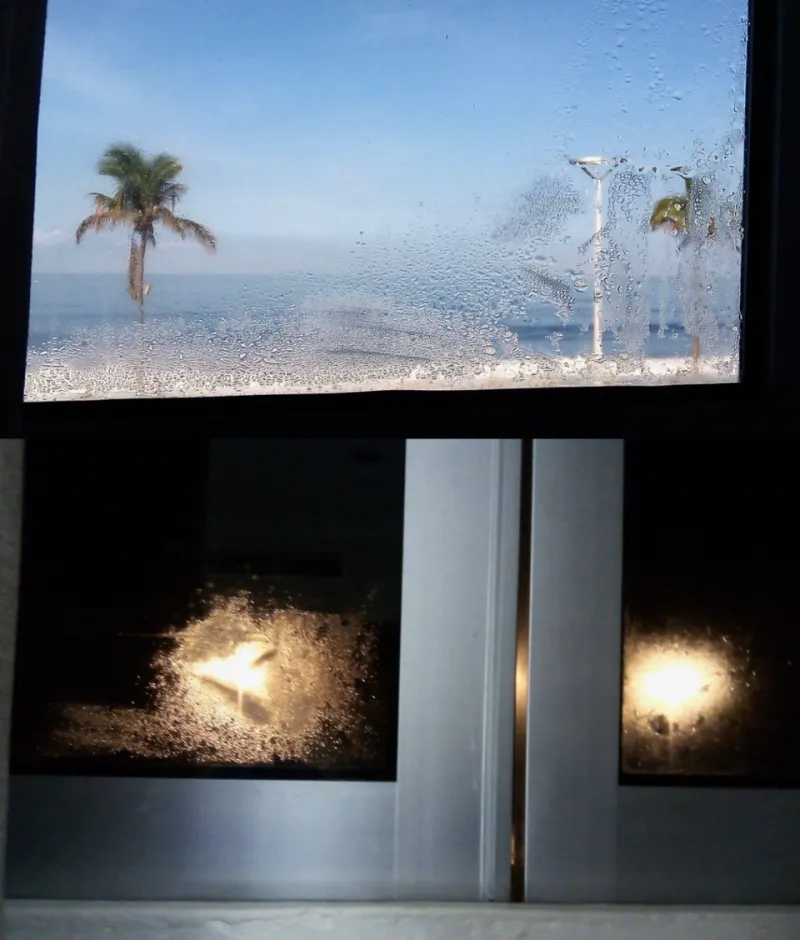
Photo: Couch-scratching-cats, Public domain, via Wikimedia Commons
Late autumn is when a lot of UK homes start to feel slightly off. The windows stream on cold mornings, a corner of the bedroom smells fusty, and the paint behind the sofa looks a bit bubbly. None of that automatically means a major damp problem, but as November 2026 settles in, it is the right moment to find out. Once the heating is on regularly, small issues either dry out or get worse fast. A 45-minute walk-through now is cheaper than a winter of guesswork.
This is a triage exercise, not a building survey. Grab a torch, your phone camera, a notebook and, if you have one, a cheap moisture meter. Note the date and take photos. The aim is to spot patterns, not to diagnose rising damp from a single skirting board.
First, work out what kind of damp you are looking at
Condensation
Look for droplets on glass, black mould in corners, damp patches behind furniture and a musty smell that gets worse after showers, cooking or laundry drying indoors. It is usually worst on cold mornings and in rooms with poor ventilation. Condensation is about moisture and air movement, not a failed damp course.
Penetrating damp
This tends to appear after rain, especially on wind-driven external walls, ceilings, chimneys and around windows. Look for tide marks, blistered paint and damp that spreads rather than sitting in one cold corner. Gutters, downpipes, render cracks and roof defects are common culprits.
Rising damp
True rising damp is less common than the internet suggests. It usually shows on ground-floor walls as a tide mark near skirting level, often with salts or a musty smell. It is worth investigating, but do not jump to an injected damp-proof course before someone has ruled out leaks, blocked airbricks and high ground levels.
Room by room
Kitchen
Check the extractor fan. If it is greasy, noisy or recirculating without a filter, it is not doing much for moisture. Look under the sink for drips, around the dishwasher and washing machine, and at the cold corner where a cupboard meets an external wall. Keep a gap between the fridge and the wall if you can. Cheap fixes: clean or replace extractor filters, use pan lids, and avoid drying laundry on radiators in the kitchen. Call a specialist if the extractor duct is disconnected or the room has no usable ventilation.
Bathroom
Run the fan during and after showers, and check it actually pulls air. Peel back a corner of sealant around the bath and shower tray; if it is black underneath, replace it. Look at grout, the base of the shower screen and the external wall behind the cistern. Cheap fixes: re-seal, keep the fan running for 15 minutes after use, and leave the door ajar when the room is empty. Specialist job: a fan that is undersized, noisy or ducted into a loft that is already damp.
Bedrooms
Beds pushed against external walls are a classic condensation trap. Pull furniture 50mm away from cold surfaces and check behind wardrobes. Open trickle vents if you have them, and avoid drying washing in spare bedrooms. If the mattress feels damp underneath, that is a ventilation issue rather than a leak. Cheap fix: create an air gap and air the room for ten minutes each morning.
Living room
Check chimney breasts, bay windows and external corners. These are common thermal bridges, where cold surfaces meet warm indoor air and condensation forms. Look behind sofas and under rugs on solid floors. Cheap fixes: move furniture away from cold walls, use a dehumidifier in short bursts, and keep airbricks clear. Specialist job: a chimney that is capped but unvented, or a bay window with failed seals.
Hallway and stairs
Front doors, under-stair cupboards and loft hatches are all cold spots. A draught is not always bad; homes need some air movement. Do not block vents to stop a draught and then wonder why mould appears. Cheap fix: fit a brush strip to the front door but keep any purpose-built ventilation open.
Loft
From the hatch, shine a torch across the roof timbers. Look for wet patches, sagging felt, daylight through the roof and insulation pushed into the eaves. Insulation should not block ventilation at the eaves. If the loft smells damp or the roof lining is wet, call a roofer.
Outside, in ten minutes
Walk the perimeter. Check gutters for moss and plants, downpipes for leaks, drains for blockages, and ground levels against the walls. A gutter overflowing in one spot can soak a wall for weeks. Clear what you can reach safely; call someone for anything above head height.
The cheap-first plan
Start with ventilation and water management. Clean extractor filters, open trickle vents, pull furniture away from cold walls, re-seal bathrooms, clear low-level gutters and check for dripping pipes. Heat gently and steadily rather than blasting it for an hour. A moisture meter can help track a patch, but it is not a diagnosis.
Do not paint over mould and call it done. Anti-mould paint has a place, but it will not fix a leaking gutter or a blocked vent. Also avoid sealing a room up completely to keep warmth in; modern homes need controlled ventilation, and older homes need air movement.
When to call in a professional
Get proper advice if you see persistent tide marks, salts on ground-floor walls, widespread mould, wet loft timbers, failed render or a damp patch that returns after rain. A chartered surveyor or an independent damp specialist can help. Be wary of anyone who diagnoses rising damp from a photograph and sells the injection on the same visit. Get two quotes and ask what else has been ruled out.
Do it again in January
Photograph the same spots in the same light. If a patch has grown, that tells you more than a single reading. The point of a late-autumn audit is not to panic; it is to make a small, boring list of jobs while the weather is still on your side.