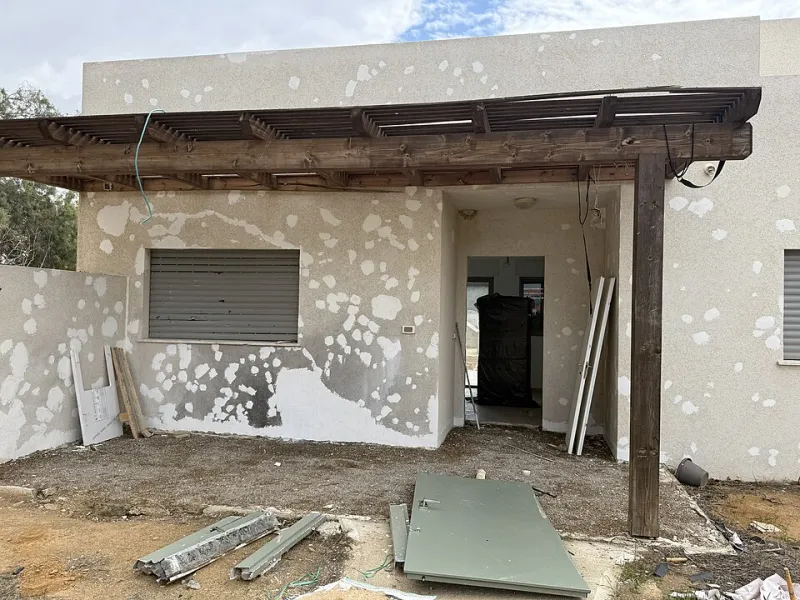
Before the Final Invoice: How to Run a Proper Snagging Day

Photo: USDAgov, Public domain, via Wikimedia Commons
The final week of a building project is where goodwill goes to die. The big stuff is done, the scaffold is down, and everyone is tired. That is exactly why the last five per cent deserves its own day in the diary rather than a five-minute walk-round with one eye on the invoice. A proper snagging day is not about finding fault for sport. It is about agreeing, in writing and while the builder still has a reason to come back, what counts as finished.
Why the final week needs a diary slot
Builders plan for work. They do not plan for a vague list delivered by text at 9pm. Put a date in writing: I would like to walk the job on Thursday and send the list on Friday. Ask them to attend if they want to, but make clear you will be testing things rather than admiring them. If there is a contract, check what it says about completion, retention and the final payment. If there is no contract, agree the process now: inspection, written list, agreed fix date, then final invoice.
The aim is not to delay money for the sake of it. It is to avoid the classic ending where the builder has been paid, the small faults are still there, and every phone call becomes a favour.
What to bring, and what not to do
You do not need a surveyor's kit. You need to be methodical.
- Phone with camera and notes, or a clipboard and printed room list.
- Torch, ideally one you can hold at a low angle to catch plaster and paint defects.
- Tape measure and a small spirit level.
- A marble or ball bearing for checking falls on floors and shower trays.
- Socket tester, if sockets have been altered.
- Masking tape and a marker for flagging anything you want to revisit.
- A copy of the drawings, specification or written scope, if you have one.
Do not bring a mood. Do not bring a list of things you decided you dislike about the design. Snagging is about whether the work meets the agreed standard, not whether you have gone off the colour scheme.
Start at the front door and work back
Work in a fixed order so you do not drift. Front door, hall, downstairs rooms, kitchen, bathroom, upstairs rooms, loft hatch, outside. In each room, look up, then across, then down. Check the things you use every day before the things you only notice at parties.
Doors and windows
Open and close every door. Does it latch with a gentle push or a slam? Does it rub on the frame, the carpet or the floor? Are hinges packed neatly and screws set? Check handles, locks, letterboxes and thresholds. For windows, open and close them, check locks and trickle vents, and look for scratched glass, damaged seals or frames that have been badly filled.
Kitchen
Open every cupboard and drawer. Check alignment, soft-close action, hinges and runners. Look at worktop joints, upstands, silicone lines and the seal around the sink. Run the taps, fill the sink, check the waste trap for leaks, and run the dishwasher and washing machine if they are connected. Check the extractor fan actually extracts, and look for damaged appliance edges or missing manuals.
Bathroom
Silicone is where good jobs and rushed jobs separate. Look for neat lines, no gaps and no smearing. Fill the basin and bath, then drain them and watch underneath. Run the shower and check the tray falls towards the waste. Flush the toilet and check it does not rock. Look at tile lippage, grout, sealant and any access panels. If there is an extractor, test it with a piece of tissue.
Living rooms and bedrooms
Use the torch at a low angle across walls and ceilings. It will show filled cracks, poor sanding, paint ridges and dents that daylight hides. Check skirting and architraves for gaps, scuffs and bad mitres. Test sockets and switches. Look at radiator brackets, valves and pipe collars. Check wardrobes and built-in joinery for square doors, clean edges and working hinges.
Outside
Walk the perimeter. Check gutters, downpipes, gullies and drain covers. Pour water into outside drains if it is safe to do so. Look at paving falls, fence posts, external paint, brickwork, air bricks and any making good around pipes or cables. Take photos of anything that looks like a future leak rather than a current snag.
The tests most people skip
Doors, drains and joinery are the quiet money-eaters. A door that sticks in November may not stick in June. A drain that runs slowly now may be a blocked trap or a fall problem later. A cupboard door that looks fine closed may have a hinge that was never adjusted. Test these like you live there, because soon you will.
For drains, run water for longer than feels polite. Fill a sink, release it, and watch the waste. Flush toilets twice. Check outside gullies for standing water. If anything gurgles or drains slowly, write it down rather than assuming it will settle.
For joinery, open and close everything. Run a hand along edges. Look inside cupboards with the torch. Check that shelves are level and that fixings are not splitting the carcass. Good joinery is not just how it looks from the doorway.
Photograph like you are building evidence
Take a wide photo of the room, then a close photo of the issue. Include something for scale, such as a tape measure or your hand. Note the room, the item and the date. A photo called IMG_4821 is not evidence; a note saying kitchen, unit four, top hinge, door catches on frame is.
If you are unsure whether something is a snag or just a quirk, photograph it and mark it as a question. Builders respond better to a question than an accusation.
Write a punch list a builder will act on
A good list is short, specific and numbered. For each item, write the location, the issue, the evidence and what finished looks like. For example: Hall, door to understairs cupboard: door rubs on frame at top right; adjust hinge so door closes flush with an even gap. Photo 12. That is actionable. Bad finish is not.
Separate snags from variations and damage. A snag is work that does not meet the agreed standard. A variation is something you changed your mind about, which may cost money. Damage is something broken after installation. Mixing all three into one angry list slows everything down.
Agree a date for the fixes and a date for reinspection. Put it in writing, even if it is just a clear email summarising what was said on site.
The money conversation
Do not withhold the whole invoice over a list of small items. That turns a snagging conversation into a dispute. If the contract allows retention, use it properly. If not, agree a sensible amount to hold back until the listed items are done, and pay the rest for work that is genuinely complete. A snagging list is not a discount code.
The last five per cent is where most of the goodwill and most of the money is lost. Give it a day, give it a list, and give it a deadline. Then pay the builder for the job you agreed, once the job is actually finished.