What Your EPC Doesn't Know: Reading the Score Before You Renovate

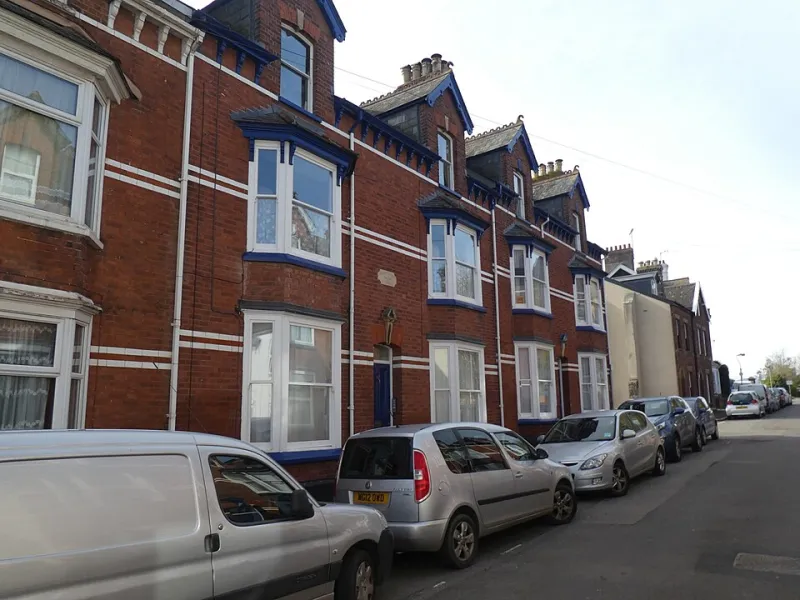
Photo: DYVER, CC BY-SA 4.0, via Wikimedia Commons
An EPC is a useful document with a bad habit: it looks like a plan. It arrives with a coloured bar chart, a list of recommendations and a potential score, and it is very easy to treat the whole thing as a renovation brief. It is not. It is a modelled estimate of a home's energy performance, built on assumptions, and the recommendation list is generic by design. If you are about to spend money on a warmer, cheaper-to-run house, read the score properly first.
What the certificate is actually doing
An Energy Performance Certificate uses a standard assessment procedure to produce a score and a band. The assessor records things like wall construction, loft insulation depth, glazing type, heating system, hot water cylinder, controls and lighting. Where information is missing or hard to verify, the model uses default assumptions. That is why two similar-looking semi-detached houses on the same street can come out with different ratings, and why a certificate can feel oddly confident about a house it has only inspected for an hour.
The score is not a thermal camera. It is not a smart meter. It is not a prediction of your actual bills. It is a standardised comparison tool, which is useful when you are buying, selling or renting, and much less useful when you are deciding whether to insulate a wall or replace a boiler.
The recommendation list is not a priority order
The recommendations on an EPC often read like a renovation to-do list: install loft insulation, upgrade glazing, fit a new boiler, consider solar. They are not ranked by what will make your house comfortable next winter. They are ranked by a mix of modelled carbon savings, cost bands and standard assumptions. The list does not know that your back bedroom is freezing because of a draught under the floorboards, or that your kitchen is damp because the extractor fan has never worked.
This matters because the cheapest, most effective measures are often the least glamorous. Draught-proofing a Victorian sash window may do more for comfort than replacing it with double glazing, especially if the existing window is sound. Fitting a cylinder thermostat and sensible heating controls may cut running costs before any wall insulation is touched. The EPC will mention these things, but it will not tell you the right order for your house.
The measures that usually earn their keep
For a typical UK home, the best returns tend to come from stopping heat escaping and controlling when it is delivered.
Draught-proofing is usually the first place to look. Chimney balloons, letterbox flaps, keyhole covers, window seals and floorboard gaps are cheap and quick. But do not seal a house that has a damp or ventilation problem. Old homes need air, just not howling gales through the floor.
Loft insulation is still one of the best-value measures. If you can see the joists, you probably need more. A depth of around 270 to 300mm is the usual target, but keep the eaves clear for ventilation and do not squash insulation into tight gaps where it cannot do its job.
Heating controls are underrated. Room thermostats, programmers, thermostatic radiator valves and a cylinder thermostat all help match heat to when you actually need it. A smart thermostat can be useful, but only if the basics are right. A clever app cannot fix a house with no radiator balancing and a boiler set to maximum.
Cylinder and pipe insulation are small jobs with steady returns. Cavity wall insulation can be effective where the cavity is suitable and the work is done properly. Solid wall insulation can transform comfort, but it is expensive and needs careful detailing. Glazing is often worth doing for noise, condensation and comfort, but it is rarely the cheapest way to improve the score.
Read the certificate like a surveyor, not a shopper
Look at the current rating and the potential rating, but also look at the assumptions. What wall type has been assumed? What loft insulation depth? What heating system and controls? Does the certificate say the windows are single glazed when you know they are not? Are there notes about the assessment being based on a remote survey or desktop review?
Check the EPC register for the full certificate rather than relying on the estate agent's summary. Compare the recommendations with what you can see and feel in the house. If the certificate says the loft is insulated to 100mm, go and look. If it says the boiler is a modern condensing model, check the date and the manual. The certificate is a starting point for questions, not a substitute for them.
A sensible order of works for a typical UK home
Start with air leaks and controls. Then loft insulation, cylinder insulation and pipe lagging. Then address walls if they are suitable and you are prepared for the disruption. Windows and doors come when they are failing or when comfort and noise justify the cost. Renewables make more sense once the envelope and controls are sorted, not before.
Measure before and after. Take meter readings, note room temperatures and keep the bills. A certificate may move a band or two, but the real test is whether the house feels warmer, drier and less expensive to run. That is the number that matters.
Don't renovate to a certificate
An EPC is a score, not a plan. It can tell you that your house is less efficient than it could be, and it can point you towards standard measures. It cannot tell you where the cold actually comes from, how you use the rooms, or which upgrade will annoy you least. Use it as one input, then look at the house itself. The best renovation plan is usually the one that starts with a draught, not a bar chart.